 Back to Blog
How to Track Your Workouts
Author
FitChamp Training Team
Training Guide
Date
2026-06-11
Status
published
Read Time
5 min
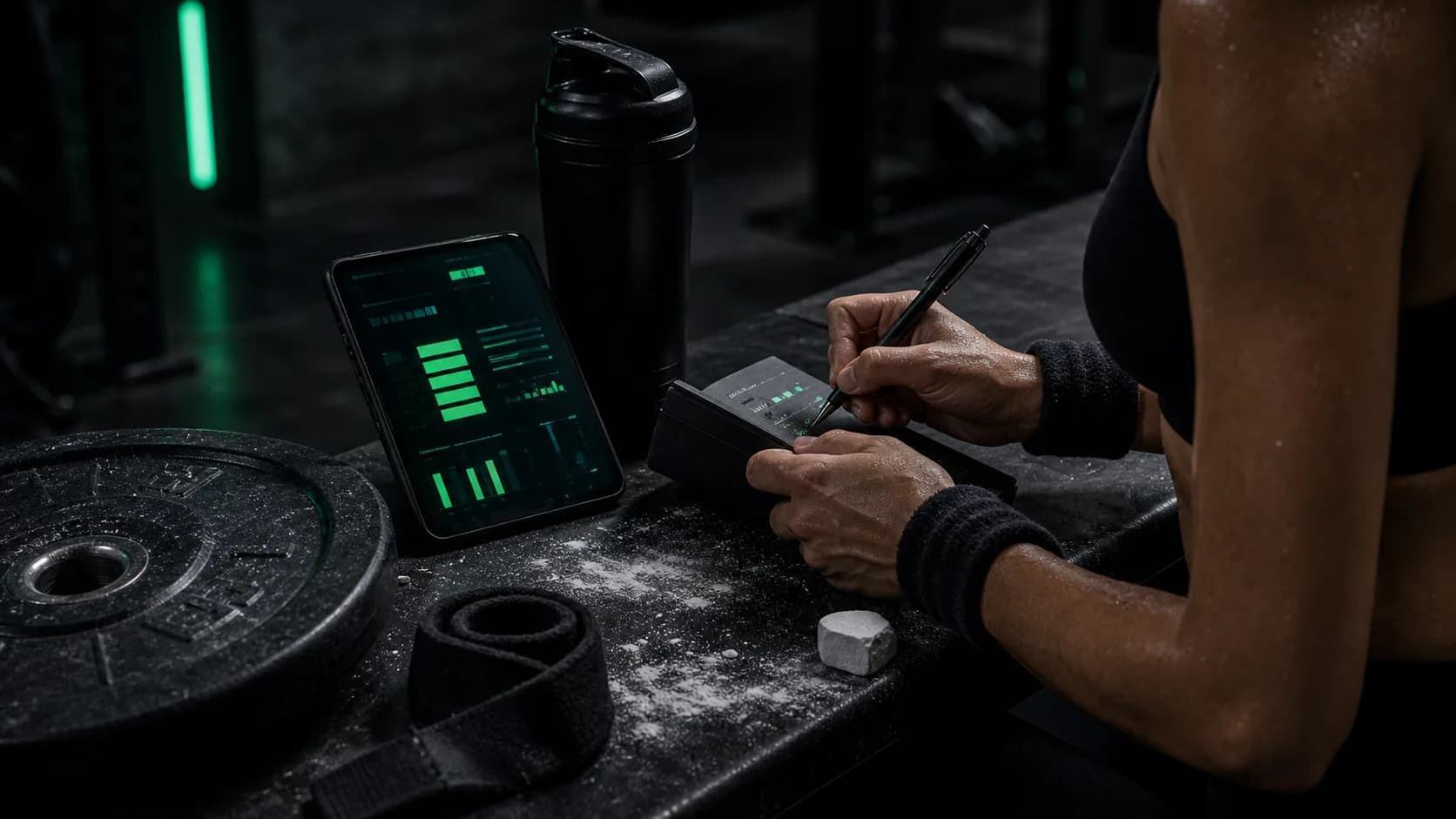
Tracking workouts turns vague effort into useful information. Without a log, it is easy to forget what weight you used, whether a set improved, or why a workout felt unusually hard. With a simple log, your training starts to tell a story.
What to Track
You do not need a complicated spreadsheet. Track the exercise, sets, reps, weight, and any short notes that explain the session. For bodyweight exercises, track reps, tempo, range of motion, assistance, or hold time. For cardio, track time, distance, pace, resistance, heart rate, or perceived effort.
- Exercise name.
- Sets and reps.
- Weight or resistance.
- Rest periods if they matter.
- Effort level, such as reps in reserve.
- Notes on form, pain, energy, or sleep when relevant.
Use Notes Without Overthinking
Good notes are short and useful. Write things like felt strong, left shoulder tight, add weight next time, or keep same load. You do not need to write a diary after every set. The goal is to help your future self make a better decision.
How Tracking Drives Progress
A log shows when you are ready to progress. If you hit 3 sets of 12 with clean form after weeks of 3 sets of 8 to 10, you have evidence. Add a little weight or choose a harder variation. If performance drops for several workouts, you have evidence too. Maybe sleep, stress, recovery, or volume needs attention.
Review Weekly, Not Constantly
Do not judge your whole plan from one bad workout. Look for trends across several weeks. Are your main lifts improving? Are you recovering? Are you showing up? Are the notes pointing to the same problem repeatedly?
The best tracking system is the one you actually use. An app, notebook, spreadsheet, or notes file can all work. Keep it simple enough that logging takes less than a minute between sets.
How to Put This Into Practice This Week
For the next two weeks, track only the details that affect your next workout. If a note will not help you choose weight, reps, rest, or recovery, you probably do not need it. A useful log should reduce decisions, not create homework.
- Record exercise, sets, reps, and load for every working set.
- Add one short note if form, pain, sleep, or energy affected the workout.
- Review the log once per week and choose one adjustment.
When to Adjust
Your log should also show when to back off. If the same weights feel heavier for several sessions, or every note mentions poor sleep and low energy, the data is useful. Reduce volume, repeat loads, or take an easier week instead of forcing progress blindly.