 Back to Blog
Lower Body Workout Guide
Author
FitChamp Training Team
Training Guide
Date
2026-06-11
Status
published
Read Time
5 min
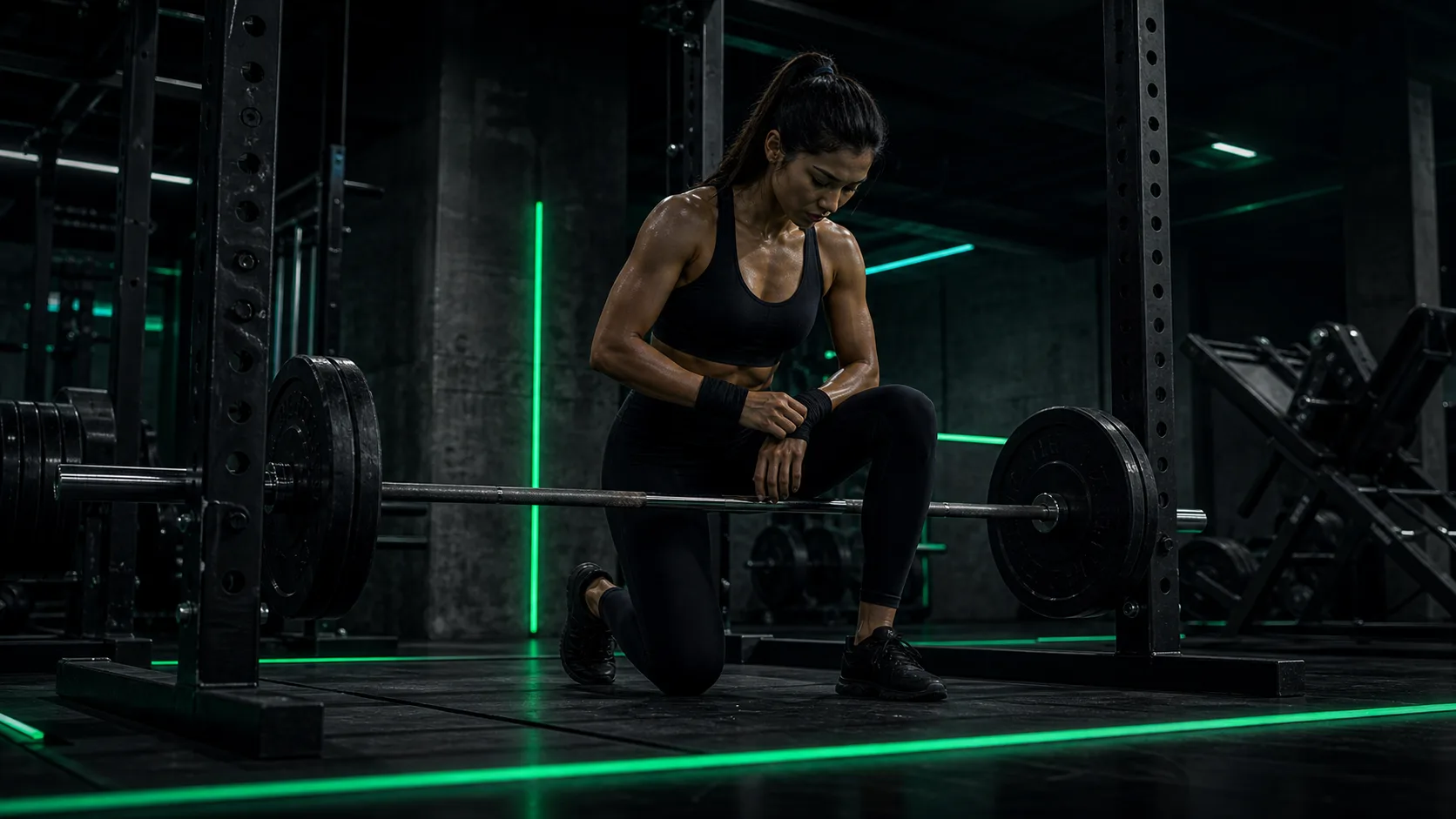
A strong lower-body workout trains the quads, hamstrings, glutes, calves, and trunk. You do not need to crush yourself with every leg exercise in the gym. You need a plan that covers knee bend, hip hinge, single-leg work, and a manageable amount of accessory volume.
The Main Lower-Body Patterns
- Squat pattern: back squat, front squat, goblet squat, leg press, hack squat.
- Hinge pattern: Romanian deadlift, deadlift variation, hip thrust, back extension.
- Single-leg pattern: split squat, reverse lunge, step-up, Bulgarian split squat.
- Accessories: leg curl, leg extension, calf raise, hip abduction, glute bridge.
Sample Lower-Body Workout
A simple session might start with goblet squats or leg press for 3 sets of 8 to 10, Romanian deadlifts for 3 sets of 8 to 10, reverse lunges for 2 sets of 8 per side, leg curls for 2 sets of 10 to 15, calf raises for 2 sets of 12 to 20, and a core exercise like dead bugs or carries.
If you use heavier barbell lifts, put them early. If you are learning or training around cranky joints, machines and dumbbells can be excellent choices.
Warm Up Before Leg Day
Lower-body sessions usually feel better with a real warm-up. Walk, cycle, or row for a few minutes, then practice bodyweight squats, hip hinges, and lunges. Build up gradually on your first weighted exercise instead of jumping straight to working weight.
Progress Without Ego
Lower-body lifts can move a lot of weight, which makes ego tempting. Keep range of motion and control consistent. A heavier leg press with half the depth is not automatically progress. A Romanian deadlift that turns into a rounded-back bounce is not better because the number increased.
Train legs hard, but do it in a way you can repeat. That is how lower-body strength and muscle actually accumulate.
How to Put This Into Practice This Week
Build your next lower-body day from patterns rather than muscle names. Choose one squat or press, one hinge, one single-leg movement, and one or two accessories. That covers a lot of ground without turning leg day into a survival event.
- Put the hardest technical lift first.
- Use single-leg work to train balance and side-to-side differences.
- Progress range of motion and control before chasing heavier weight.
When to Adjust
If lower-body training leaves you sore for days, reduce the number of hard sets before changing every exercise. If you never feel challenged, add range of motion, reps, or load gradually. Leg training should be demanding, but it should not sabotage the rest of your week.