 Back to Blog
Upper Body Workout Guide
Author
FitChamp Training Team
Training Guide
Date
2026-06-11
Status
published
Read Time
5 min
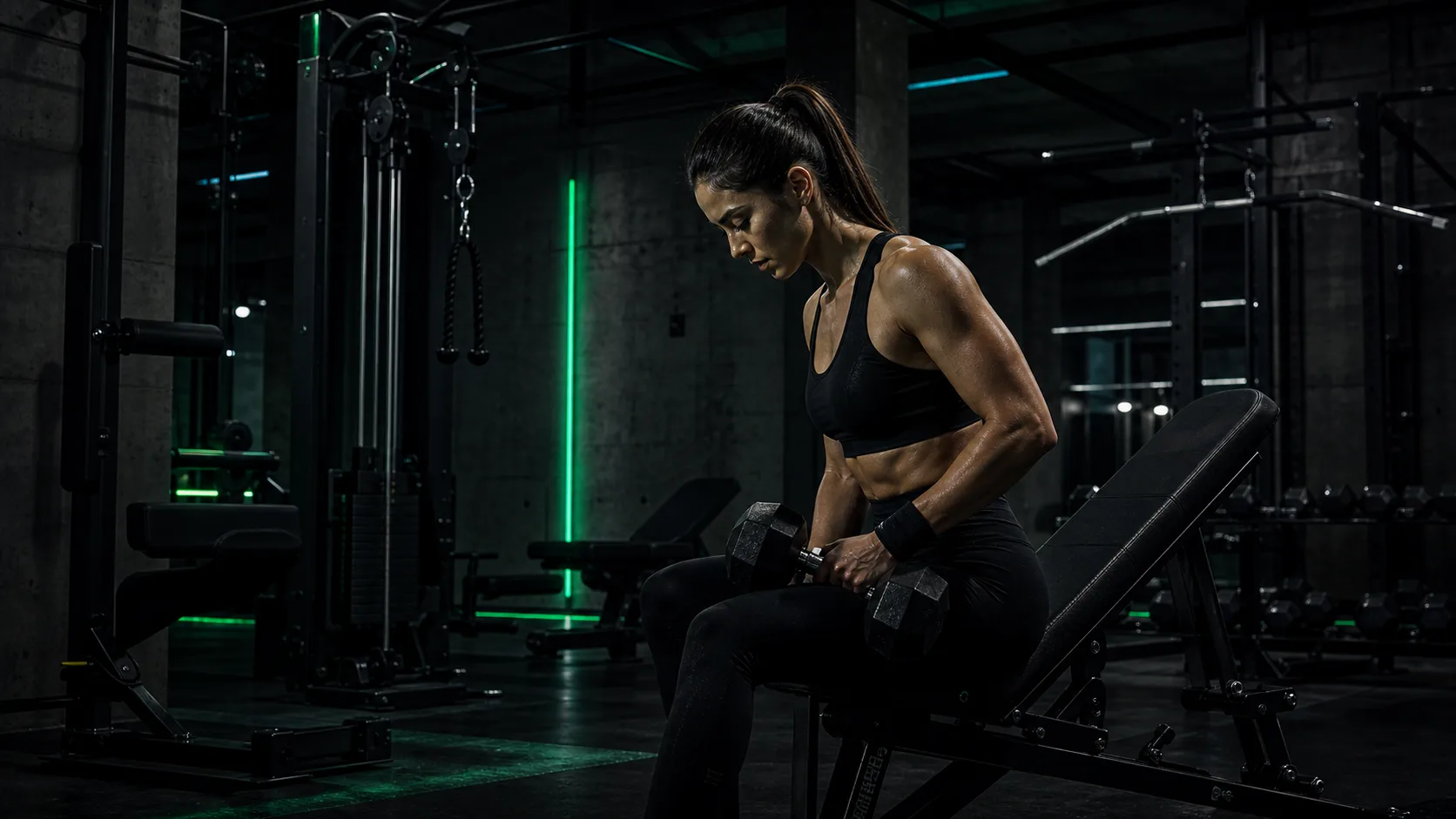
A balanced upper-body workout trains pushing, pulling, shoulders, and arms without turning the session into a random pile of exercises. The goal is to cover the major movement patterns, do enough quality sets, and leave room to progress next time.
Build Around Push and Pull
Push exercises train the chest, shoulders, and triceps. Pull exercises train the back and biceps. Many people overdo pressing because chest and shoulder exercises are popular, then undertrain the upper back. A good upper-body plan usually includes at least as much pulling as pushing.
- Horizontal push: bench press, dumbbell press, push-up, machine chest press.
- Vertical push: overhead press, landmine press, machine shoulder press.
- Horizontal pull: seated row, dumbbell row, chest-supported row.
- Vertical pull: lat pulldown, assisted pull-up, pull-up.
- Accessories: lateral raise, rear-delt fly, curl, triceps pressdown.
Sample Upper-Body Workout
Start with a press and a pull while you are fresh. For example: dumbbell bench press for 3 sets of 8 to 10, lat pulldown for 3 sets of 8 to 12, seated cable row for 3 sets of 10, dumbbell shoulder press for 2 sets of 8 to 10, lateral raise for 2 sets of 12 to 15, and triceps pressdown plus curls for 2 sets each.
How Much Volume?
Beginners can use 2 to 3 working sets per exercise. Intermediate lifters may add more sets or split upper-body work across two days. More exercises are not automatically better. If performance drops sharply and joints feel irritated, reduce volume or simplify the plan.
Progressing the Workout
Track your main press and pull. When you can complete the top of the rep range with good form, add a small amount of weight. For smaller accessories like lateral raises, progress slowly and prioritize control. Swinging heavier dumbbells is not the same as training the target muscle.
A good upper-body day should feel focused. Press, pull, add targeted accessories, and get out before junk volume takes over.
How to Put This Into Practice This Week
Before your next upper-body day, count your pushes and pulls. If pressing dominates the plan, add rows, pulldowns, rear-delt work, or face pulls. Balanced upper-body training usually feels better and progresses longer than a chest-only approach.
- Start with one main press and one main pull.
- Add one shoulder accessory and one arm superset if time allows.
- Keep at least one row or pulldown in every upper-body session.